CIRP
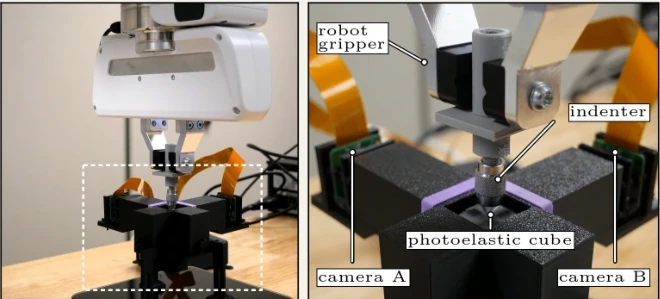
FringeTact
A transparent tactile sensor reads patterns of light to locate contact and estimate normal and shear forces.
We design sensors that encode touch, shape and spectra as measurable patterns of light. For scientific instruments, we use physics-informed AI to predict signals and interpret measurements.
We start with what a robot needs to measure, then design the sensor and perception algorithm together.
A transparent tactile sensor reads patterns of light to locate contact and estimate normal and shear forces.
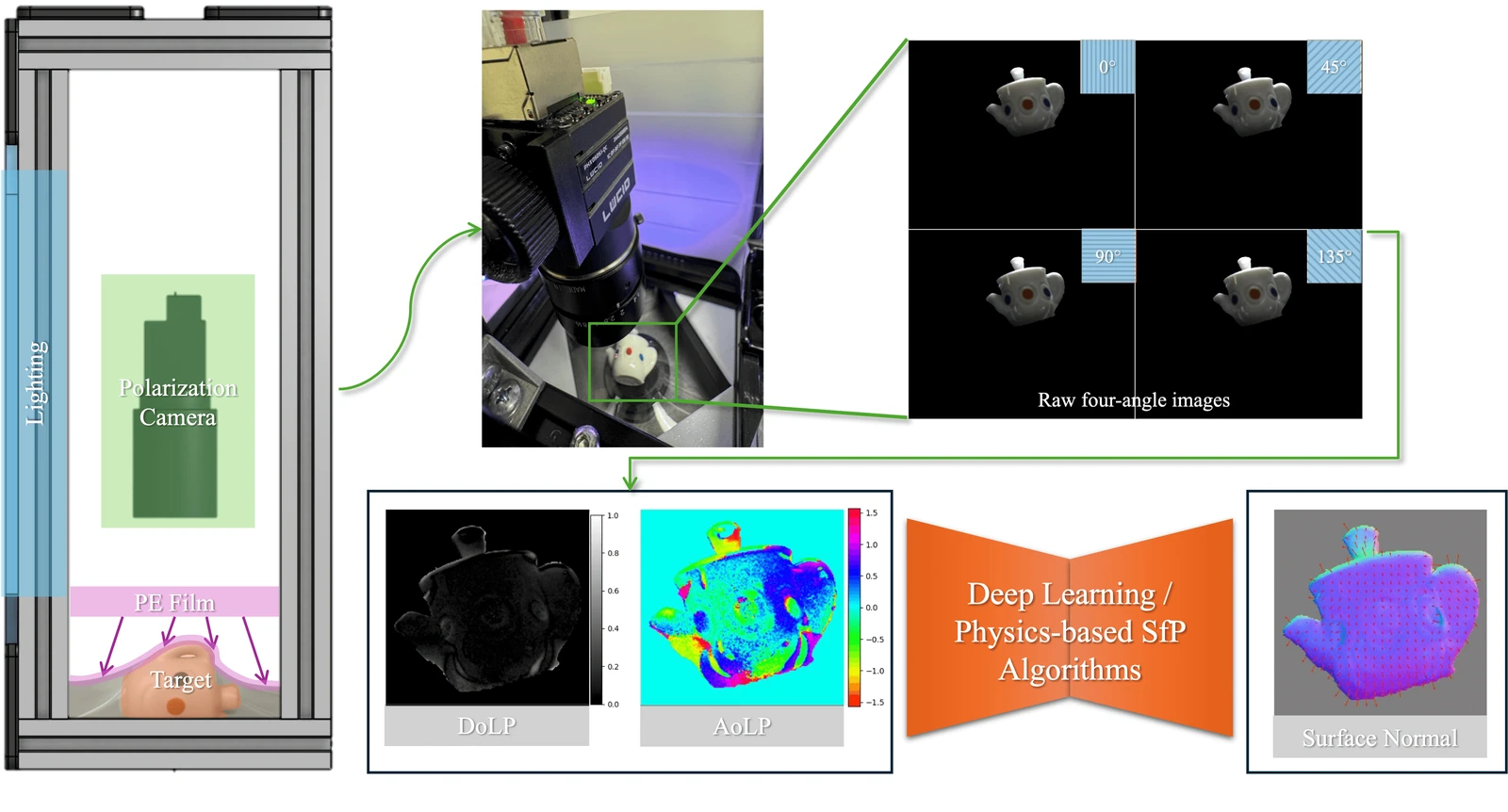
A polarization camera captures both the 3D shape and color of a contact surface in a single shot.
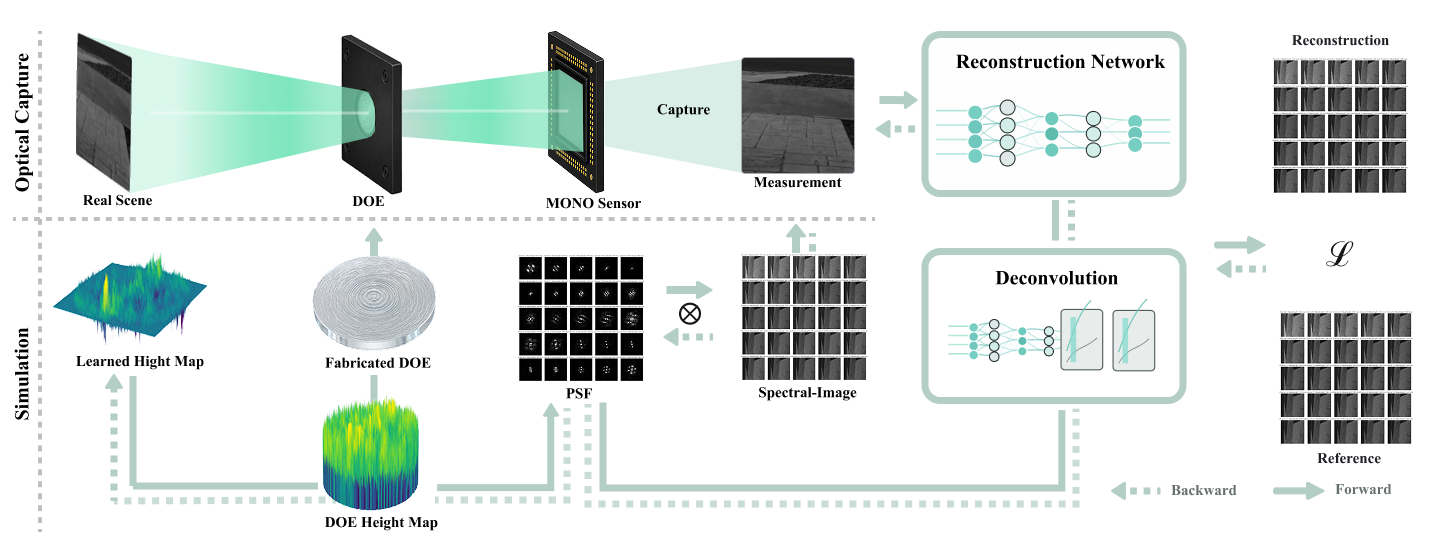
We design diffractive optical elements for compact, fast, light-efficient hyperspectral cameras that capture spectral information in one exposure.
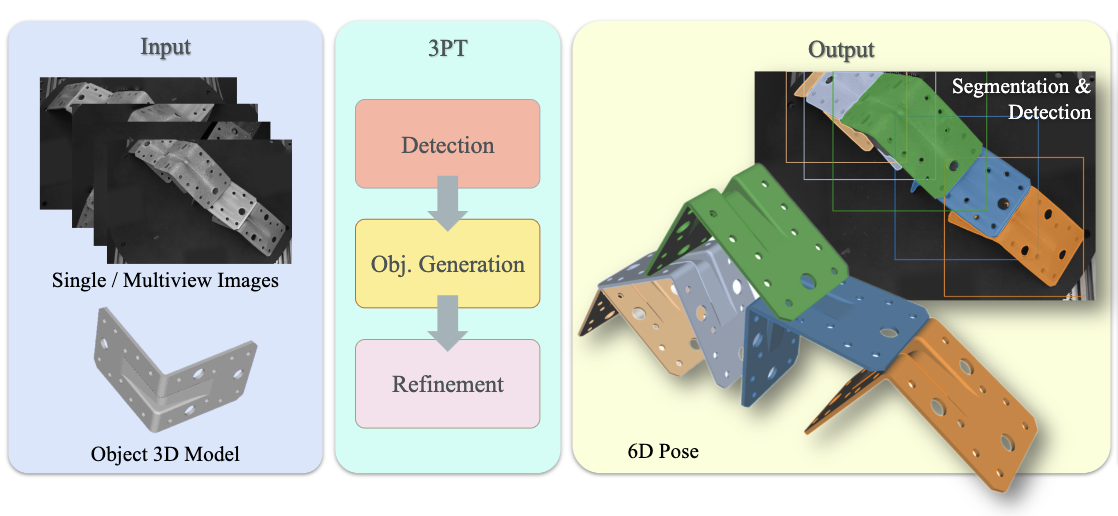
With Google Intrinsic, we developed the 3D-Object Perception Transformer (3PT) to estimate a part’s position and orientation from its 3D model and a color image. Its successor, 3PTv2, estimates poses for parts it never saw during training. In this zero-shot setting, 3PTv2 substantially reduces inference time and improves pose accuracy.
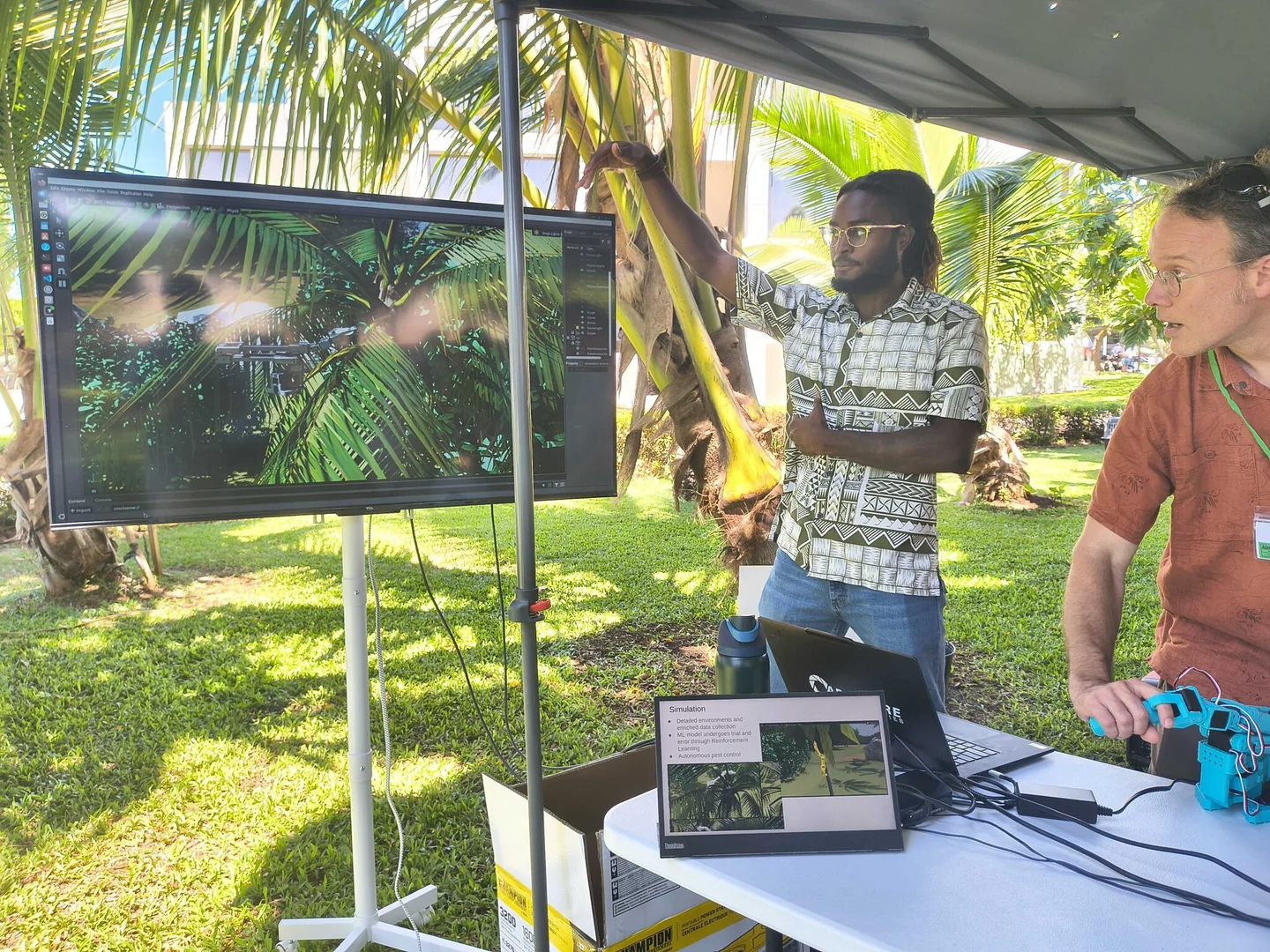
A palm-climbing robot designed to inspect trees and treat coconut rhinoceros beetle infestations.
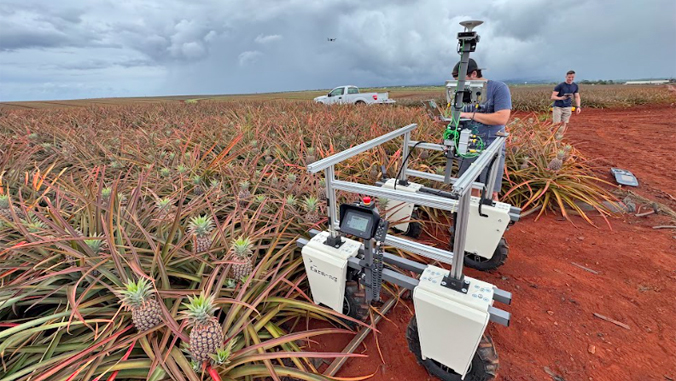
Team ʻĀina paired a drone that counts pineapples with a ground robot that measures fruit size at Dole Plantation.
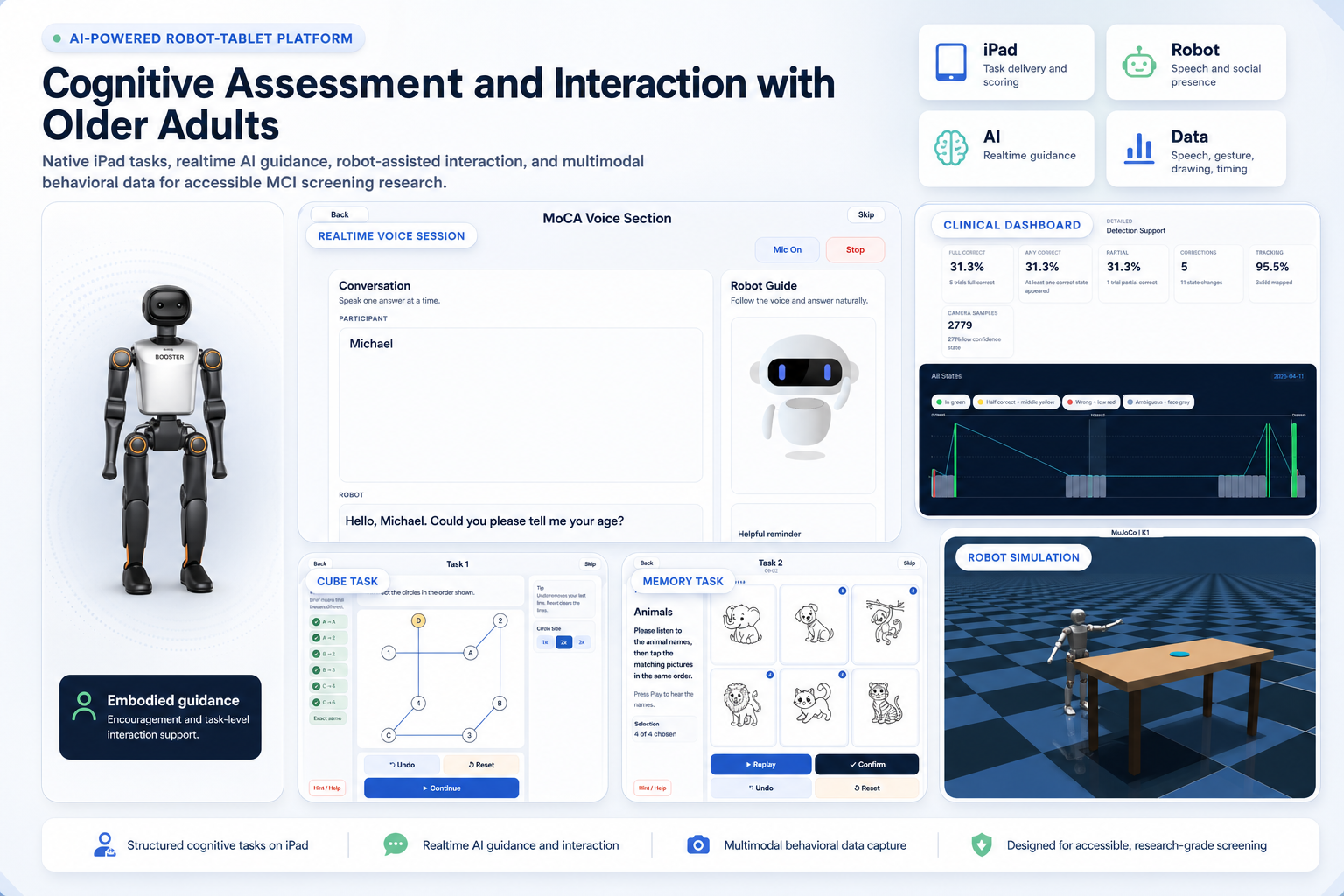
We use a robot and tablet in brief, standardized sessions with older adults to measure behavioral markers of cognitive concern that are difficult to capture with paper-based, tablet-only, or static voice-based screening.
We model how moving atoms scatter X-rays and how a laser cavity’s geometry changes its output. We also work backward from measurements, testing how well models can reconstruct a scene from optical data or trace a shoreline in a satellite image.
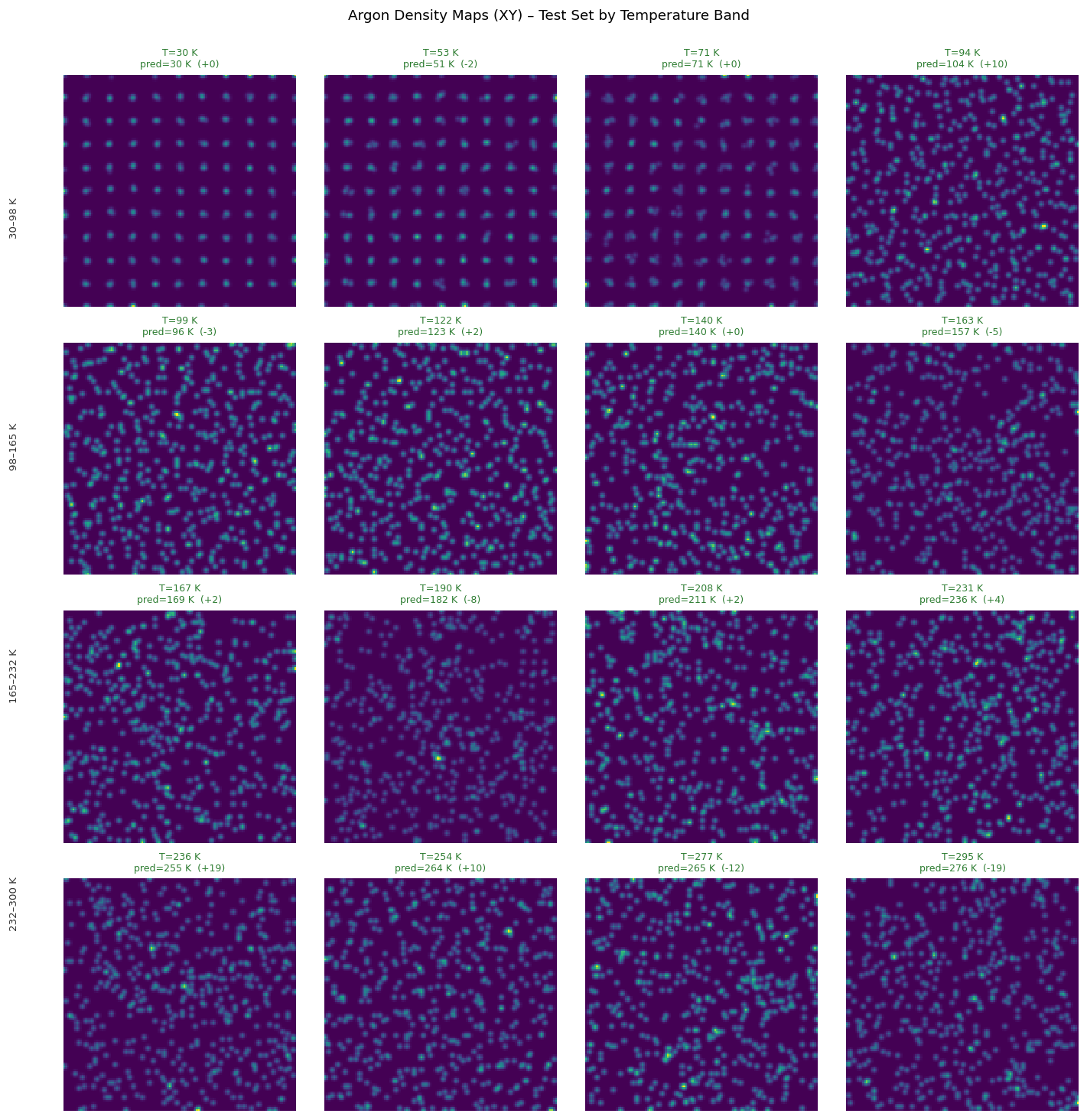
We use simulated atomic motion to predict how X-ray scattering changes over time, then compare those predictions with experimental measurements.
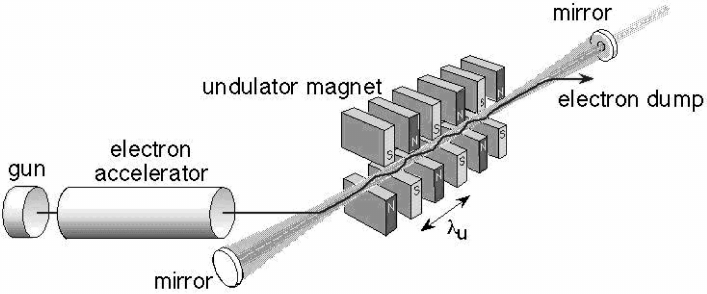
We build surrogate models to speed up simulations of free-electron laser oscillators and help researchers tune the laser cavity.
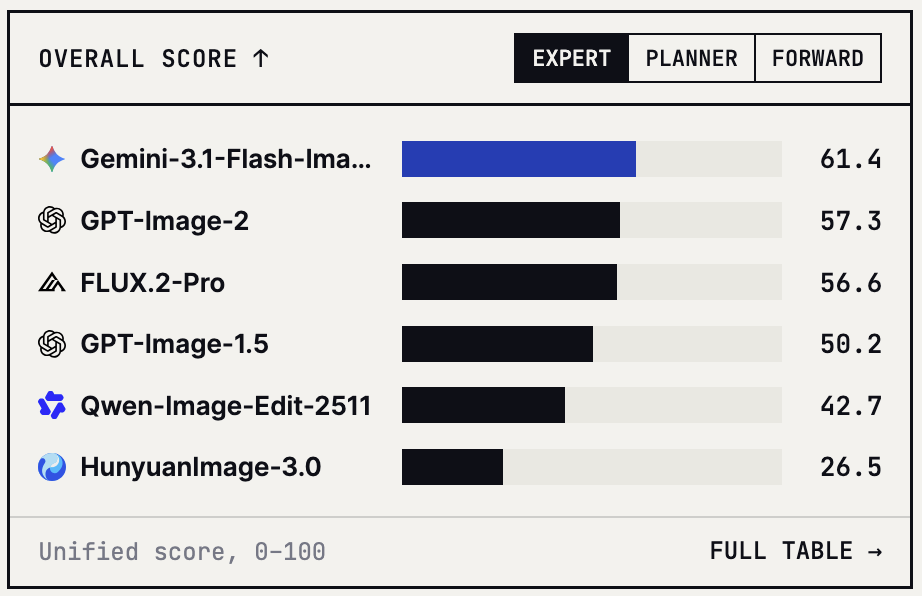
ImagingBench evaluates frontier multimodal AI models on 22 tasks, from predicting what a camera will record to reconstructing a scene from sensor measurements.
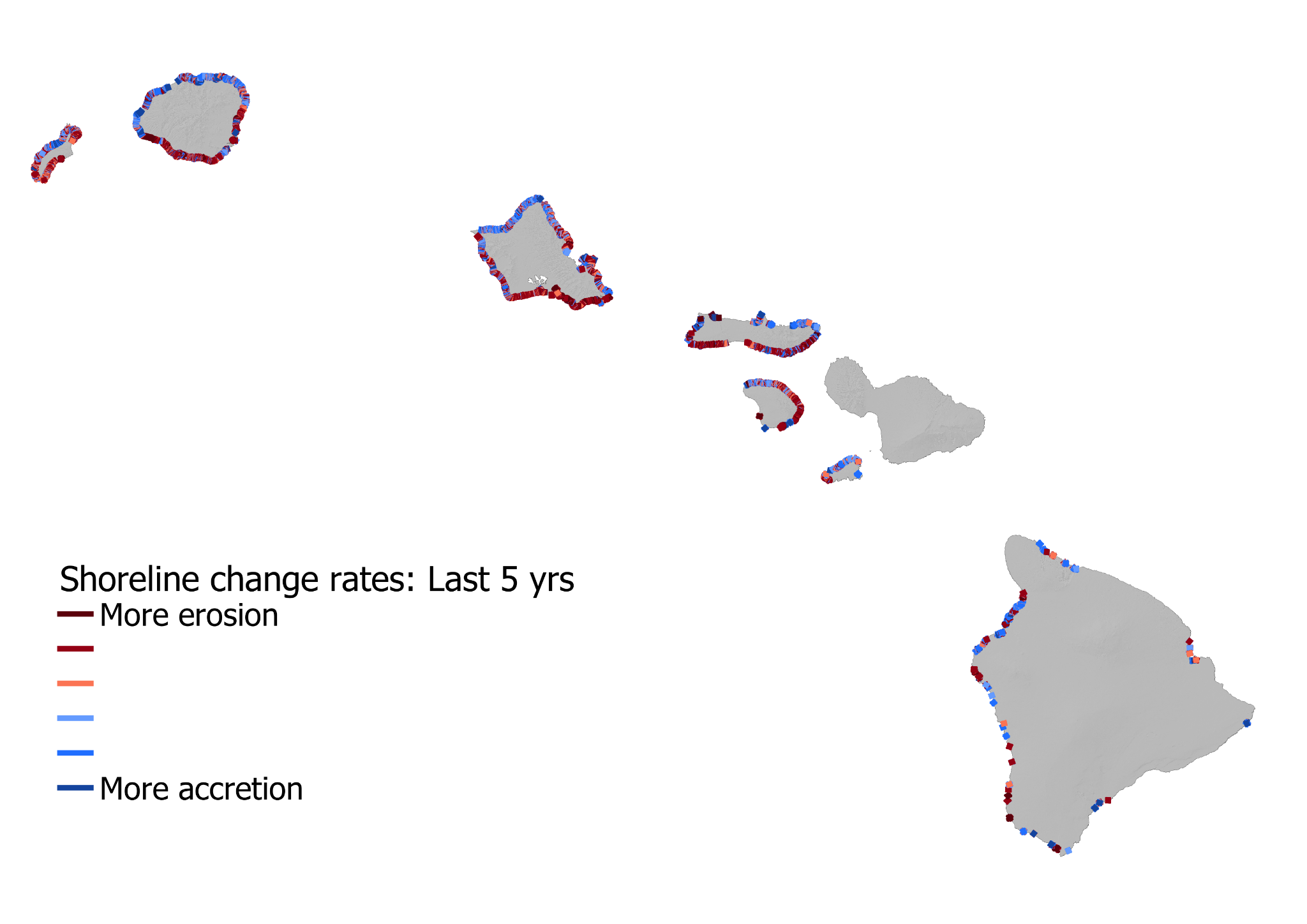
We compare shorelines estimated from satellite images with reference shorelines to test how well mapping methods transfer from one coast to another.